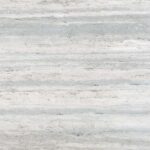
Split Face Travertine
- Home
- portfolio
- Travertine
- Split Face Travertine
Design in details → what “split face” means
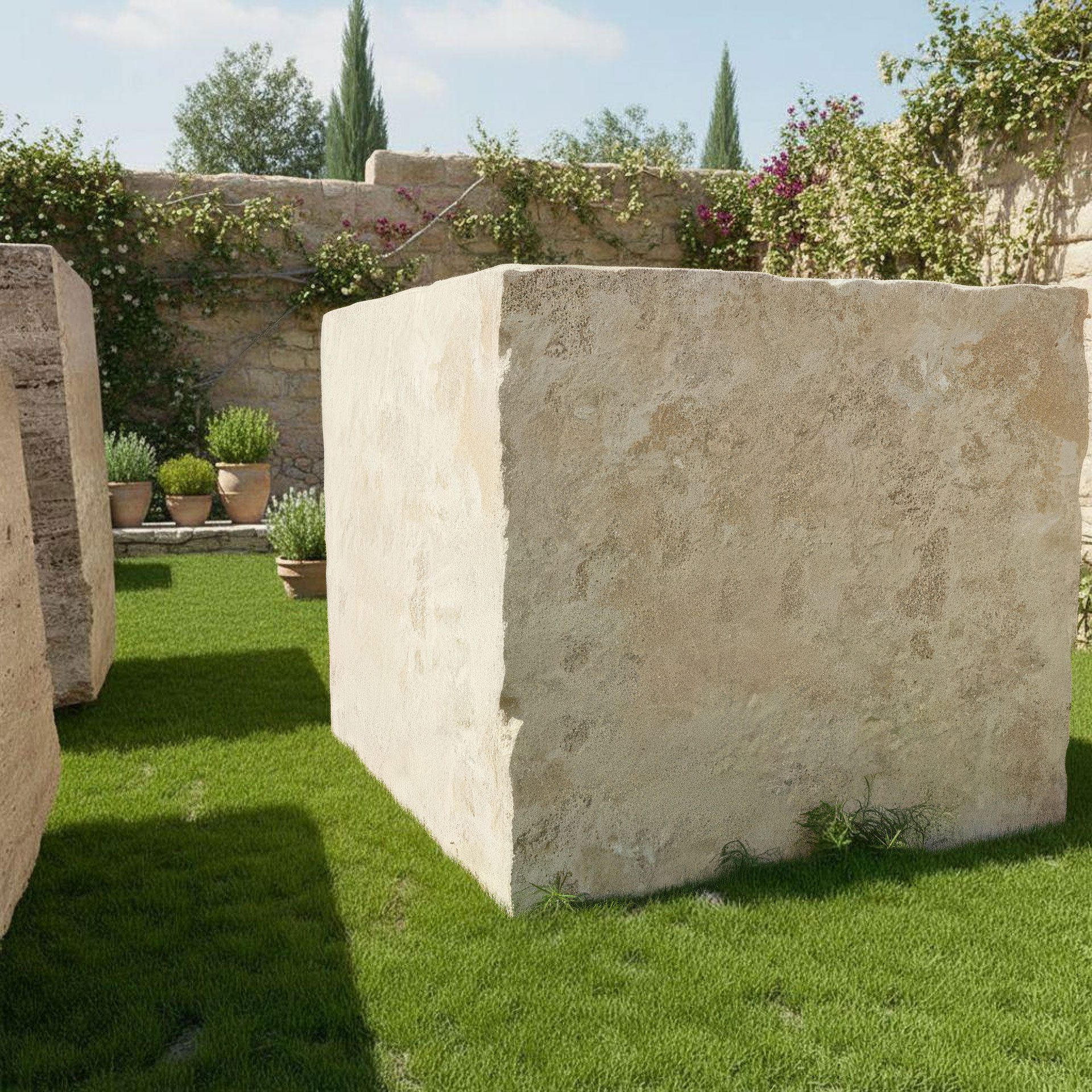
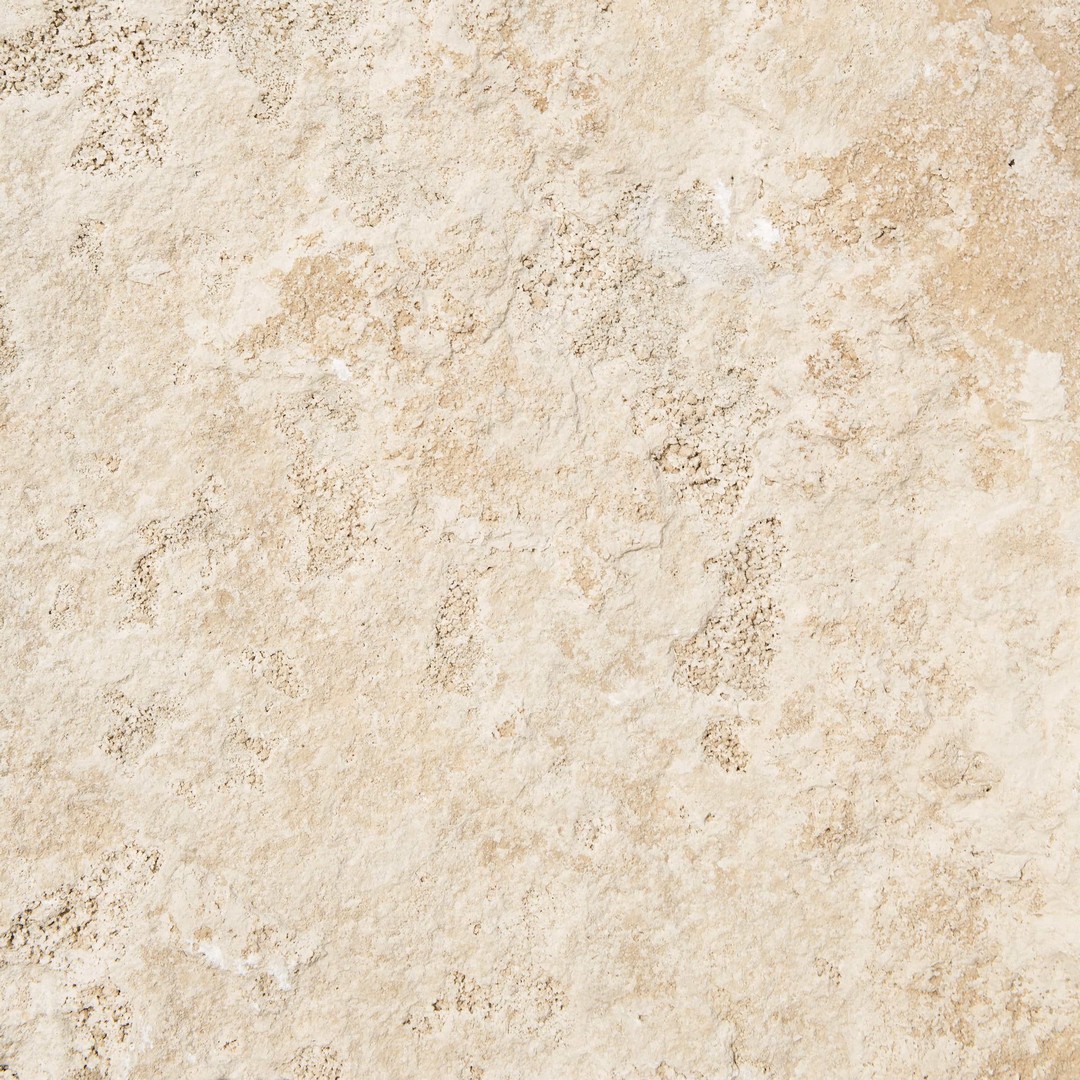
The split face finish is produced by mechanically splitting the stone, rather than grinding or polishing it. This reveals the natural cleft and bedding of the rock, giving a tactile, irregular relief that feels authentically quarried.
Travertine is a porous carbonate stone; in most use-cases a penetrating sealer is recommended to reduce absorption and make routine cleaning easier. Frequency depends on finish and exposure.
For performance selection, travertine dimensional stone is covered by ASTM C1527 and related test standards used by the natural-stone industry.
Common modules
Primary use
Strip format
Standards
Features & benefits
Natural 3D texture that amplifies light–shadow effects and adds architectural depth without artificial patterning.
Norstone USA
Timeless palette of warm, stratified tones typical of travertine—perfect for hospitality and residential accent walls.
MGT Stone Co
Versatile modules with interlocking ends for faster, cleaner installations on vertical surfaces.
msisurfaces.com
Incredible Result
Establishing multi-sensory experiences, we can design interiors that resonate across ages and demographics. These rooms and spaces connects us to nature as a proven way to inspire us, boost our productivity, and create greater well-being. Beyond these benefits, by reducing stress and enhancing creativity, we can also expedite healing. In our increasingly urbanized cities, biophilia advocates a more humanistic approach to design. The result is biophilic interiors that celebrate how we live, work and learn with nature. The term translates to ‘the love of living things’ in ancient Greek (philia = the love of / inclination towards), and was used by German-born American psychoanalyst Erich Fromm in The Anatomy of Human Destru ctiveness (1973).
Applications — where it works best
- Indoors: living-room feature walls, reception backdrops, fireplaces, columns, and media walls.
- Bath & showers (walls only): use on accent walls or niches; ensure proper waterproofing behind the tile and plan for easier-to-clean zones in splash areas.
- Outdoors: façades and garden walls. In cold climates, design for water management and movement to handle freeze–thaw cycles.
Note: split face is a wall cladding—not recommended for floors due to relief and cleaning practicality.